Dyslexia and its Co-occuring Difficulties

Dyslexia impact 10% of the UK and USA population. What you might not know is that dyslexia often comes with another co-occuring difficulty. Obviously it is much more challenging to identify alongside the many individual challenges that dyslexia brings, however, it is important that we know they are there, and that they can be making... Continue Reading →

Punctuation

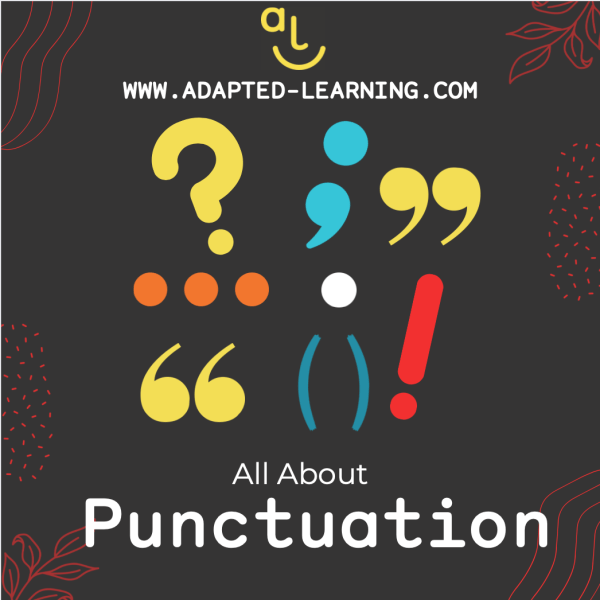
The term “punctuation” refers to the marks used in writing to separate sentences and their elements, and to clarify the meaning of sentences. Punctuation marks give us cues that help us know how to say what we’re reading out loud, and they make written and printed text – like books and magazines – come alive... Continue Reading →

How Metacognitive Skills Improve Learning

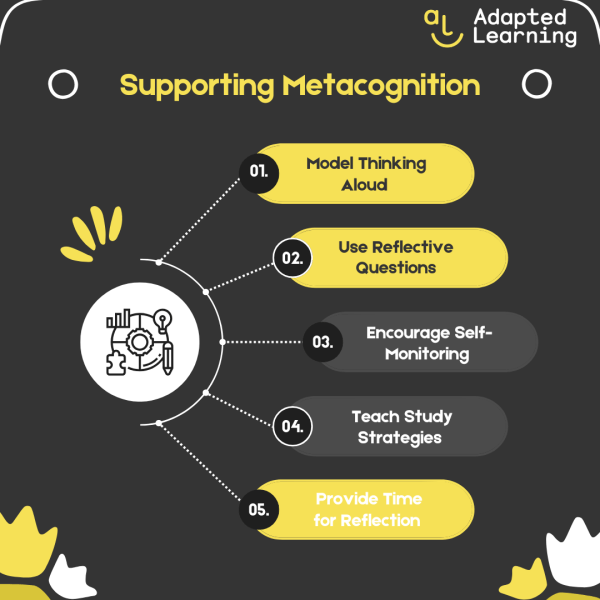
Metacognition is the way we understand or think about our own thought processes. This mode of self-aware thinking goes beyond experiences and emotions to investigate how we think about situations and why. With that new awareness, we can reframe our thinking to adapt to new situations and emotions.   Metacognition in the Classroom In the classroom, metacognitive skills allow students to... Continue Reading →

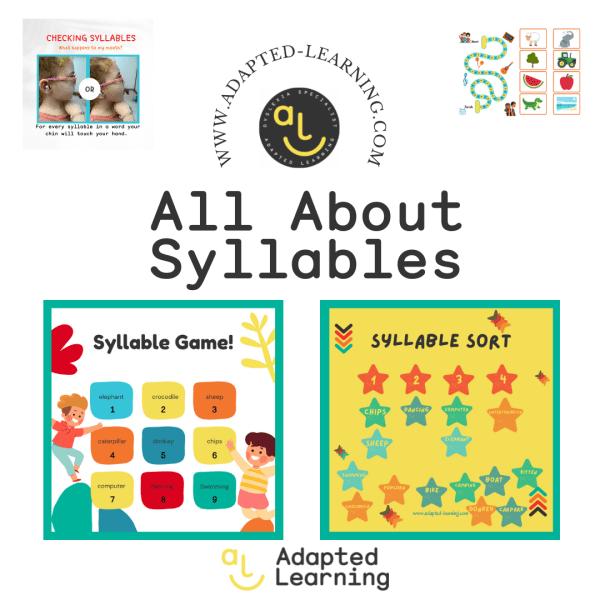
All About Syllables

What is a syllable? The dictionary definition for a syllable is: “a unit of pronunciation having one vowel sound, with or without surrounding consonants, forming the whole or a part of a word.” You can also think of syllables as single, unbroken sounds of a spoken word. Sometimes syllables are referred to as the “beats”... Continue Reading →

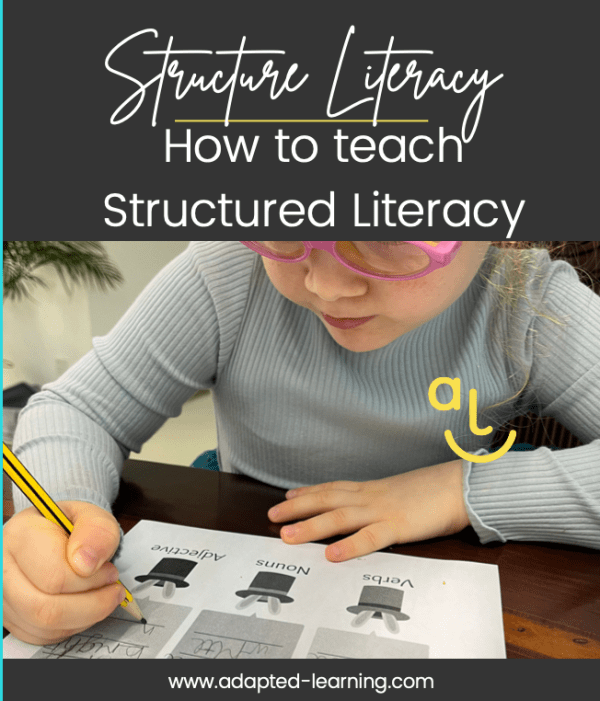
How To Teach Using Structured Literacy?

WHAT DO WE TEACH IN STRUCTURED LITERACY? We know that phonics instruction is critical to supporting all students including those with dyslexia and other reading disabilities but the problem is - it’s NOT ENOUGH. Latest research shows that we are missing the mark on language development and the role that syntax, vocabulary, morphology and comprehension... Continue Reading →

Create a website or blog at WordPress.com

Up ↑