When it comes to teaching children with dyslexia how to read, two primary approaches often come into the spotlight: phonics and whole word reading. Each has its benefits, but which one is best for dyslexic learners? And when should a strategy be changed if it’s not working? Understanding Phonics and Whole Word Reading Phonics is a... Continue Reading →
Unlocking Metacognition: How to Improve Your Child’s Learning and Academic Performance
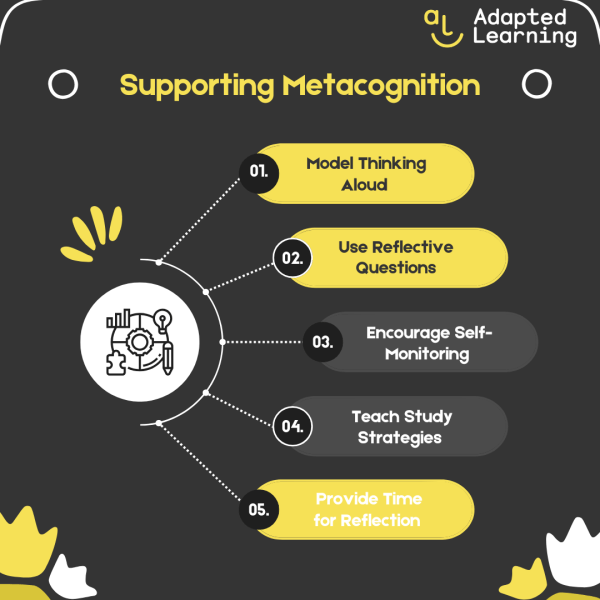
As parents and educators, we are constantly looking for ways to help children succeed academically. One of the most powerful tools to help children become more effective learners is something called metacognition. But what exactly is it, and how can we help children develop this skill? In this post, we’ll dive into what metacognition is, how... Continue Reading →
Why Dyslexia Should Be Viewed as a Superpower: A Message to Parents
As a parent, you may be concerned if your child is diagnosed with dyslexia. It's common to worry about the challenges they might face in school, but it's important to shift our perspective: dyslexia is not something that limits your child—it’s a unique way of processing information that can give them special strengths. With the... Continue Reading →
Understanding Syllables: A Guide to Helping Kids Master This Vital Literacy Skill
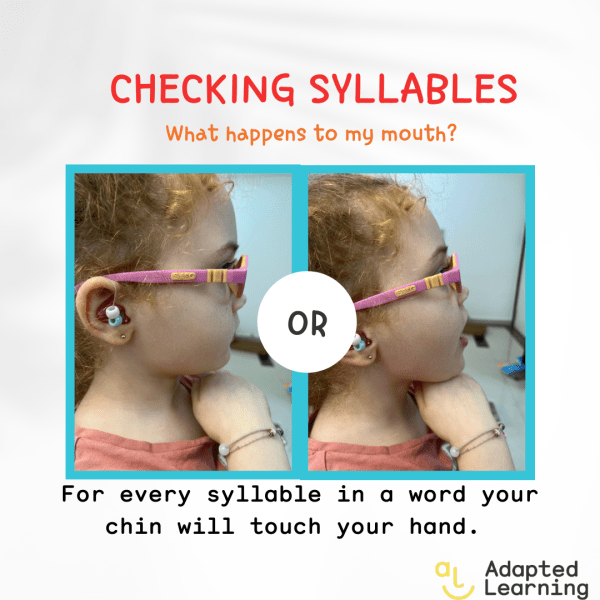
Syllables are one of the foundational building blocks of language and literacy. They are the sounds or beats that make up words, and understanding how they work is essential for young children as they develop their reading and speaking abilities. In this blog post, we'll explore what syllables are, how to separate them using mouth... Continue Reading →
10 Things Parents Can Do To Support Struggling Readers
As a parent, there's a lot you can do to support your struggling reader outside the classroom. Underlining these ten tips is the foundational message that you should meet your child where they are. If they’re lagging, don’t apply pressure or focus on them reaching a certain level. Help your young reader learn and excel... Continue Reading →
Dyslexia and its Co-occuring Difficulties
Dyslexia impact 10% of the UK and USA population. What you might not know is that dyslexia often comes with another co-occuring difficulty. Obviously it is much more challenging to identify alongside the many individual challenges that dyslexia brings, however, it is important that we know they are there, and that they can be making... Continue Reading →
Reading Support at Home
Repeated reading is an academic reading intervention that aims to increase oral reading fluency. Repeated reading can be used with students who have developed initial word reading skills but demonstrate lower than expected reading fluency for their grade level. Repeated reading is the practice of having a student read the same text over and over until their... Continue Reading →
Punctuation
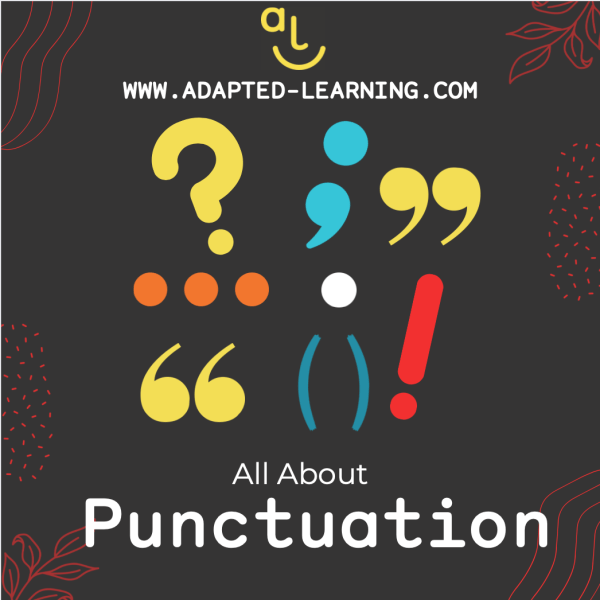
The term “punctuation” refers to the marks used in writing to separate sentences and their elements, and to clarify the meaning of sentences. Punctuation marks give us cues that help us know how to say what we’re reading out loud, and they make written and printed text – like books and magazines – come alive... Continue Reading →