Metacognition is the way we understand or think about our own thought processes. This mode of self-aware thinking goes beyond experiences and emotions to investigate how we think about situations and why. With that new awareness, we can reframe our thinking to adapt to new situations and emotions. Metacognition in the Classroom In the classroom, metacognitive skills allow students to... Continue Reading →
The Many Jobs of Letter Y
If you asked my kids I'm sure they would give you a long list of all the jobs I do around the home and at work! Mums are busy people, and so is the letter Y, she has many different jobs too and I am going give you a brief outline of them below. Y... Continue Reading →
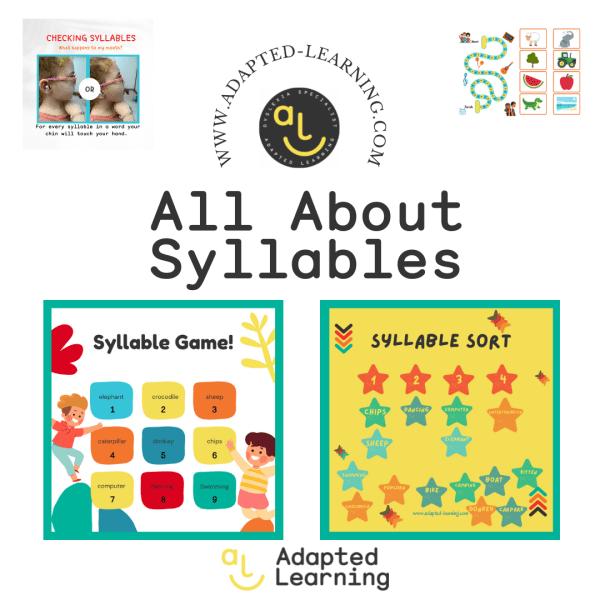
All About Syllables
What is a syllable? The dictionary definition for a syllable is: “a unit of pronunciation having one vowel sound, with or without surrounding consonants, forming the whole or a part of a word.” You can also think of syllables as single, unbroken sounds of a spoken word. Sometimes syllables are referred to as the “beats”... Continue Reading →
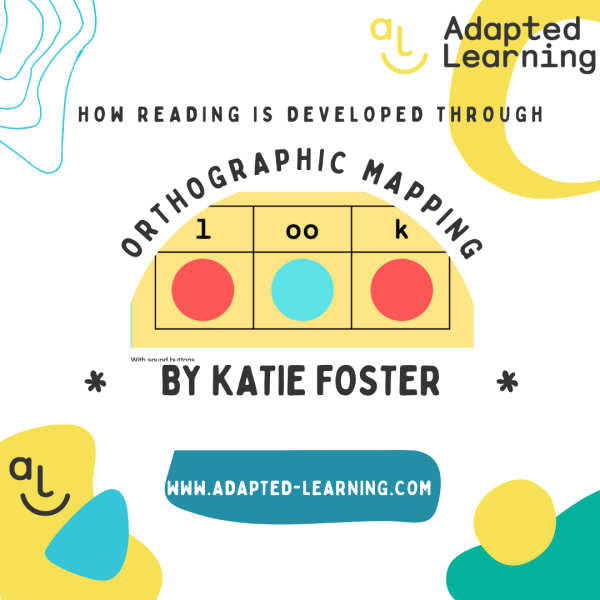
The Role Orthographic Mapping Plays in Learning to Reading
Orthographic mapping is the process by which we connect the written letters of the alphabet to the sounds they make so that they can ultimately form words. By connecting sounds to their letters, students will eventually be able to encounter unfamiliar written words and draw on their sound-letter knowledge to sound them out. By connecting... Continue Reading →
What is Schwa?
What is a Schwa Sound? Not only is it fun to say, schwa is actually derived from Hebrew. Schwa refers to the most common vowel sound in the English language. Schwa is the sound a vowel makes in an unstressed syllable and is represented by the phonetic symbol /Ə/ (like an upside-down, reversed e). Not... Continue Reading →
10 Things About Dyslexia Every Teacher Should Know.
1. Dyslexia is a language based difficulty Dyslexia does not effect vision and it has zero impact on intelligence! Dyslexia is a language based difficulty which impacts the way our brain processes written language. A dyslexic child struggles to read because they have difficulty identifying speech sounds and learning how they relate to letters and... Continue Reading →
What Should My Dyslexic Child Have On Their IEP?
So you have been called in for your child's IEP meeting, you want the best for your child but you are unsure what type of accommodations to fight for. I am here to support you! Having written hundreds of IEP's and being a Dyslexic Specialist Teacher and Assessor I will give you some of the... Continue Reading →
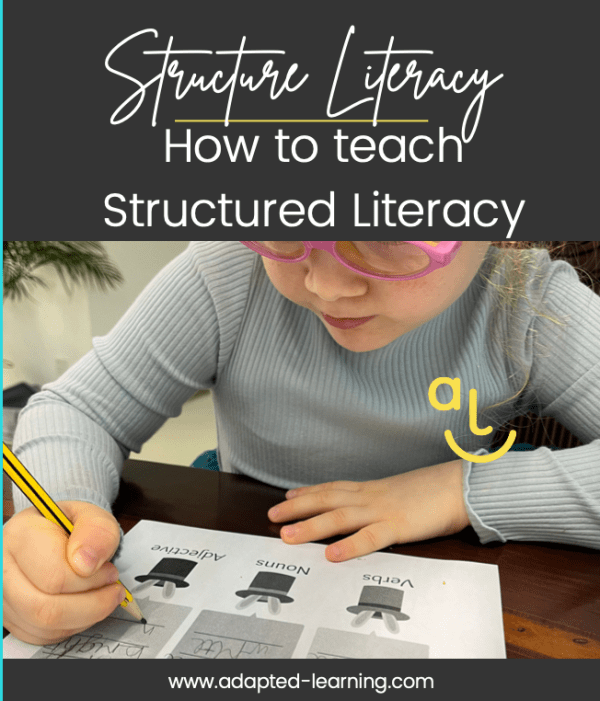
How To Teach Using Structured Literacy?
WHAT DO WE TEACH IN STRUCTURED LITERACY? We know that phonics instruction is critical to supporting all students including those with dyslexia and other reading disabilities but the problem is - it’s NOT ENOUGH. Latest research shows that we are missing the mark on language development and the role that syntax, vocabulary, morphology and comprehension... Continue Reading →