
Syllables are one of the foundational building blocks of language and literacy. They are the sounds or beats that make up words, and understanding how they work is essential for young children as they develop their reading and speaking abilities. In this blog post, we’ll explore what syllables are, how to separate them using mouth movements, some fun games parents can play to help children master syllables, and why developing this skill is crucial for literacy.
What Are Syllables?
In simple terms, a syllable is a single unit of sound within a word. It typically consists of a vowel sound and, sometimes, one or more consonants surrounding it. For example, the word “cat” has one syllable, while the word “elephant” has three syllables (el-e-phant).
Understanding syllables is critical because they help children with pronunciation, reading, and spelling. Syllables also allow children to break down words into smaller parts, making reading and comprehension easier.
How to Separate Syllables Using Your Mouth Movements
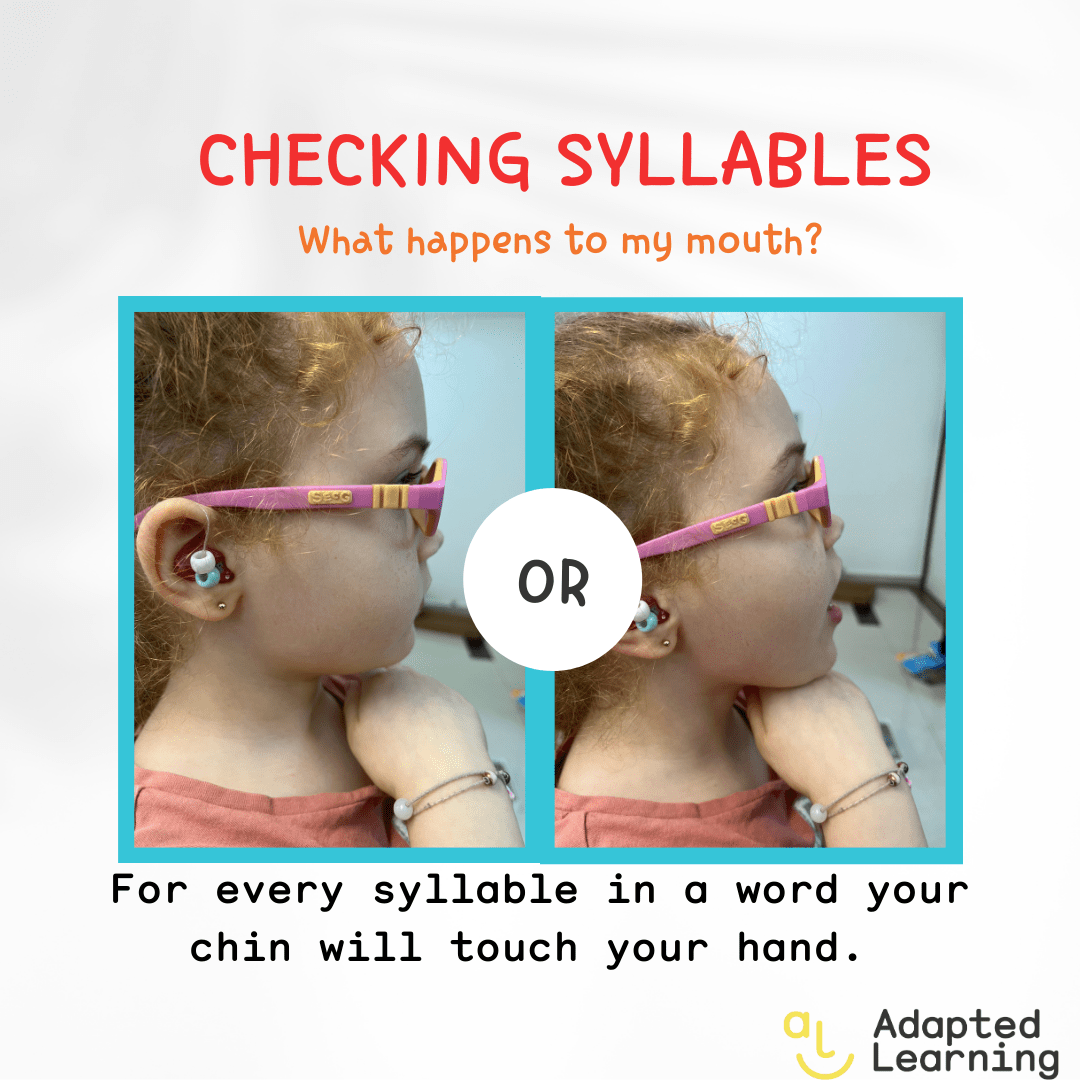
One effective way to teach syllables is by using mouth movements to help kids “feel” the syllables as they say them aloud. Here’s a simple step-by-step process for separating syllables using your mouth:
- Start with Clapping: As children say a word aloud, encourage them to clap their hands each time they hear a beat or syllable. For example, the word “butterfly” would have three syllables: “but-ter-fly,” and they would clap three times.
- Mouth Movements: Ask your child to exaggerate their mouth movements as they say a word slowly. Each time they separate the syllables, their mouth should open and close, creating a physical sensation of the syllable being “broken apart.” For example, say “dog” and watch the mouth open as the “d” is spoken, followed by a slight pause before the “og” sound.
- Visual Cues: Use a mirror or encourage your child to observe their mouth movements as they say words. This will help them connect the physical action of speaking to the sound patterns they are producing.
- Use Vowels as Guides: Most syllables are based around a vowel sound, so have your child focus on the vowel sounds as they say each part of the word. The mouth will often open wider or make more exaggerated movements when saying vowels, making it easier to identify where one syllable ends and another begins.
Fun Games to Help Kids Learn Syllables
Learning syllables can be a fun and interactive experience for children. Here are some playful games parents can incorporate to help kids feel more confident with syllables:
- Syllable Sorting: Write a list of simple words on pieces of paper, such as “apple,” “ball,” “banana,” and “computer.” Have your child read the words and then sort them into piles based on how many syllables they have. This helps kids identify and compare different syllables in words.
- Syllable Hopscotch: Create a hopscotch grid on the floor (with tape or chalk) and label each square with one syllable. As your child says a word, they can hop from square to square based on the number of syllables in that word. For example, for “carrot” (two syllables), they would jump to the second square.
- Syllable Bowling: Set up a “bowling alley” with empty plastic bottles labeled with different syllable numbers (one, two, three). When your child rolls a ball, they must say a word with the same number of syllables as the bottle they hit. This turns learning into an active and engaging challenge!
- Clap It Out: Encourage your child to “clap it out” for each word you say, clapping once for every syllable. You can do this with a variety of words and ask your child to guess the word’s syllable count based on the number of claps. Start simple and gradually increase the complexity of the words as they get the hang of it.
- Syllable Scavenger Hunt: Create a scavenger hunt where your child must find objects around the house that match certain syllable counts. For example, you might say, “Find something with two syllables” (like a “pencil”) or “Find something with three syllables” (like “banana”).

Why Is Syllable Awareness Important?
Syllables play a significant role in early literacy development. Here’s why understanding syllables is so important:
- Improved Reading Skills: By recognizing syllables, children can break down unfamiliar words into manageable parts, making reading easier and more intuitive. This skill helps children become more fluent readers and supports the development of strong reading comprehension.
- Better Spelling: Understanding syllables also aids with spelling. By recognizing how words break down into syllables, children can spell them more accurately. For example, knowing that “elephant” breaks into “el-e-phant” can help a child spell the word more easily.
- Pronunciation: Correctly identifying syllables improves a child’s pronunciation, as they can focus on each sound or beat in the word, which is especially useful when tackling longer or unfamiliar words.
- Memory and Retention: Syllables act as mental “chunks” that make it easier to retain and recall information. For example, a child may remember a word better if they can break it down into smaller, more digestible parts.
- Foundation for Other Literacy Skills: Syllable awareness is the foundation for other critical literacy skills like phonemic awareness, word recognition, and writing. When children grasp the concept of syllables, it sets them up for success in all areas of reading and writing.
Conclusion
Mastering syllables is a fun and engaging way for children to develop essential literacy skills that will support their reading, writing, and speaking abilities for years to come. By using mouth movements to separate syllables, playing games like syllable sorting and syllable hopscotch, and reinforcing the importance of syllables in reading and spelling, parents can help children become more confident and secure in their language development. Syllables may seem small, but they are powerful tools in a child’s literacy toolkit.
K x

 Adapted Learning
heavenly! 65 2025 Phonics vs. Whole Word Reading for Dyslexic Children: What’s Best and Why? lovely
LikeLike